






Designing Luxury Into Larger Bathrooms
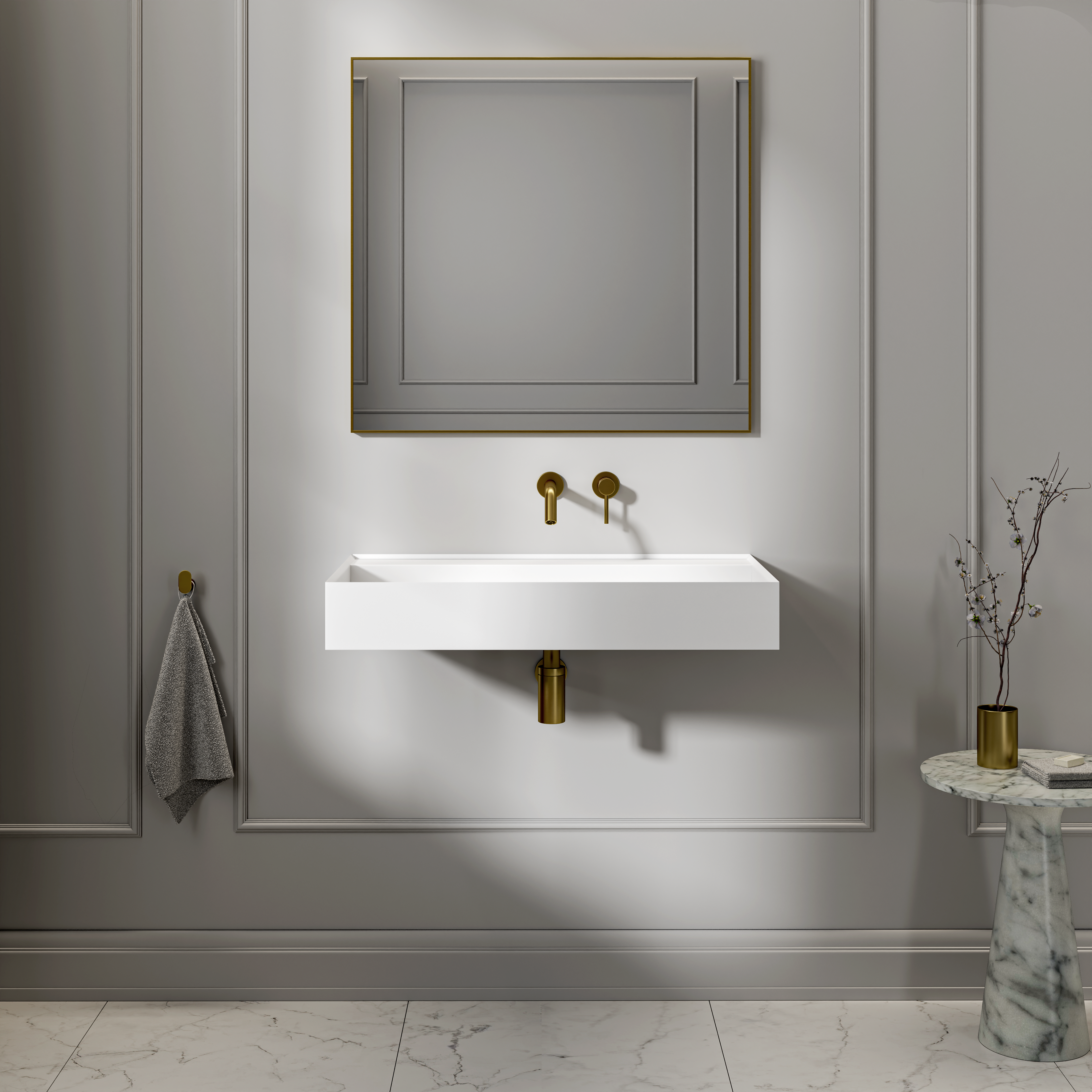
A larger bathroom offers the opportunity to create something truly considered, a space that feels calm, refined and beautifully balanced. With more room to work with, every detail can be chosen with intention, from statement baths and generous vanities to layered materials and elegant finishing touches. When thoughtfully designed, a spacious bathroom becomes more than a practical room, but a place to unwind, reset and enjoy every day.
The Role of Detail in Larger Bathroom Styling
One of the greatest advantages of a larger bathroom is the ability to divide the room into distinct zones. Bathing, showering, washing and getting ready can each have their own area, allowing the room to feel layered and more luxurious. A freestanding bath can be given space to stand out, while a walk-in shower or double vanity introduces practicality for daily routines. In especially spacious bathrooms, there may also be room for a dressing table, seating or a quieter area dedicated to relaxation. These zones help a large bathroom feel purposeful and beautifully resolved.
Why Layout Matters in Larger Spaces
Layout is the foundation of a successful large bathroom. While smaller rooms demand efficiency, larger spaces call for structure. The aim is not to spread elements out for the sake of it, but to create a layout that feels intuitive and balanced. Positioning the bath, basin, shower and vanity units with intention helps the room feel cohesive, ensuring the space is easy to move through and comfortable to use. A well-planned large bathroom should feel generous, not empty.
Creating Zones for Function and Relaxation
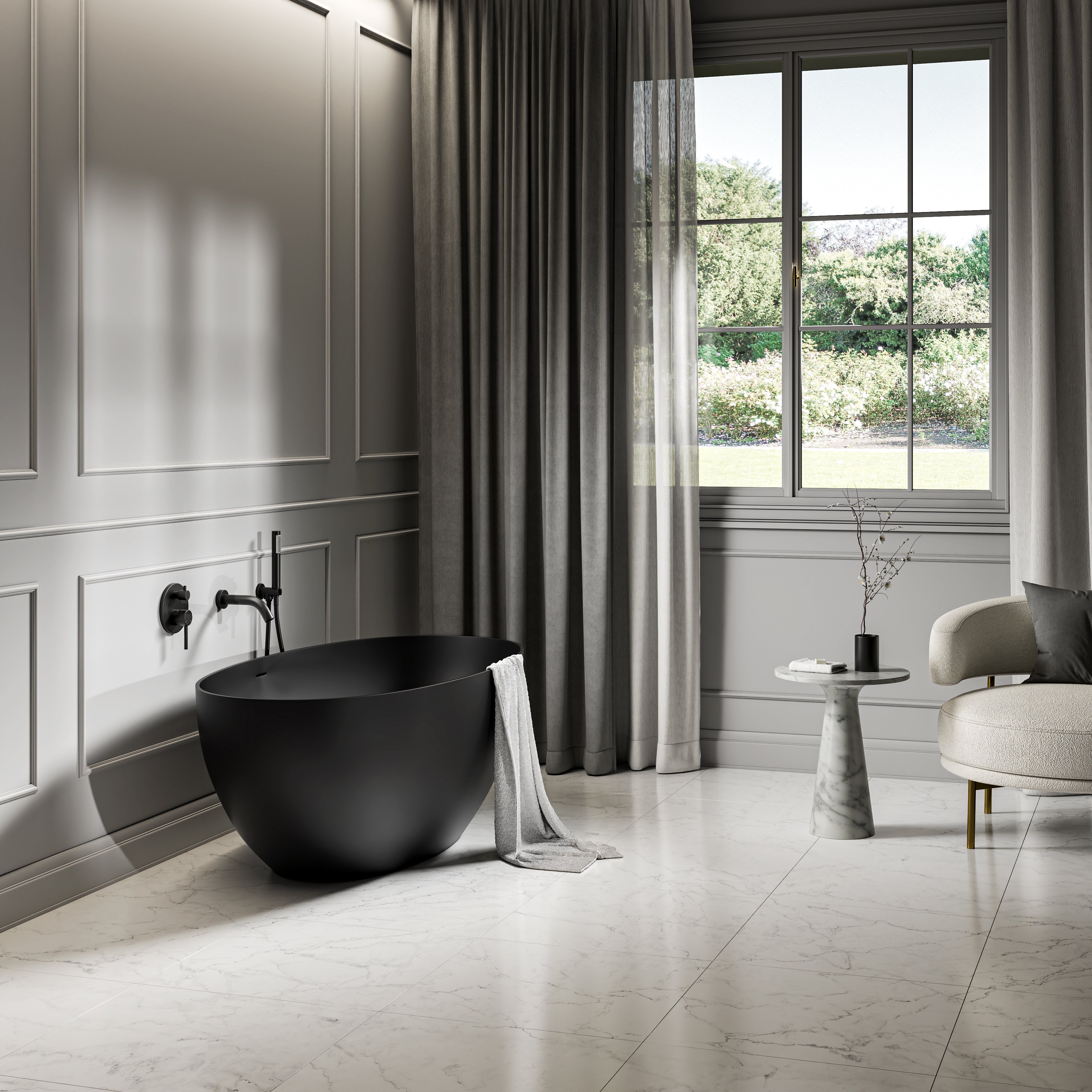
One of the greatest advantages of a larger bathroom is the ability to divide the room into distinct zones. Bathing, showering, washing and getting ready can each have their own area, allowing the room to feel layered and more luxurious. A freestanding bath can be given space to stand out, while a walk-in shower or double vanity introduces practicality for daily routines. In especially spacious bathrooms, there may also be room for a dressing table, seating or a quieter area dedicated to relaxation. These zones help a large bathroom feel purposeful and beautifully resolved.
Choosing Pieces with the Right Scale
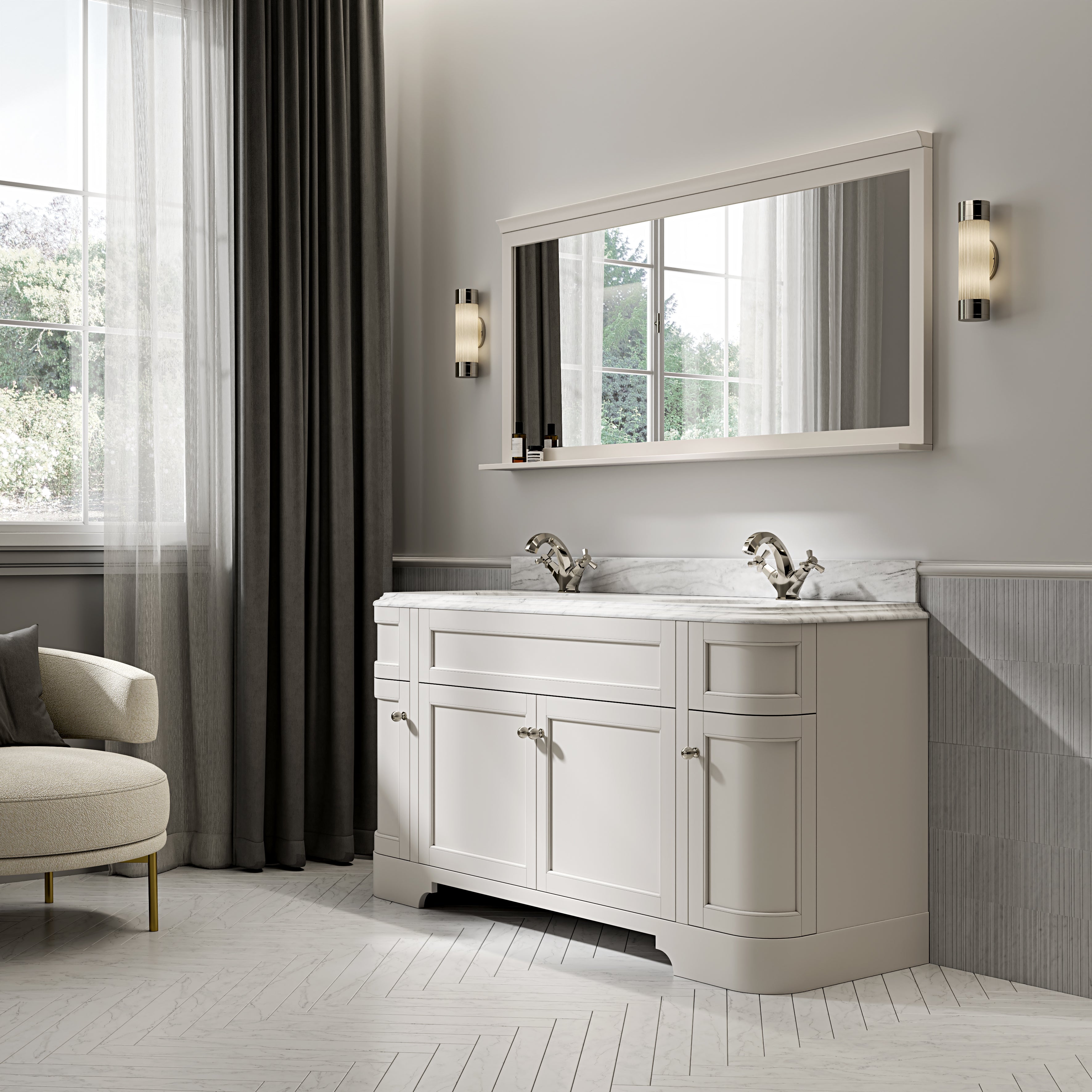
Scale becomes especially important in larger interiors. Pieces that work well in a compact bathroom may feel undersized in a more expansive room, so selecting furniture and sanitaryware with presence is key. A generous vanity unit (such as the Cobham 1600mm), larger mirrors or a substantial freestanding bath will help anchor the scheme and give the room visual weight. In shared bathrooms, double basins can work particularly well, offering both symmetry and practicality without compromising on elegance.
A Bath and Shower Without Compromise
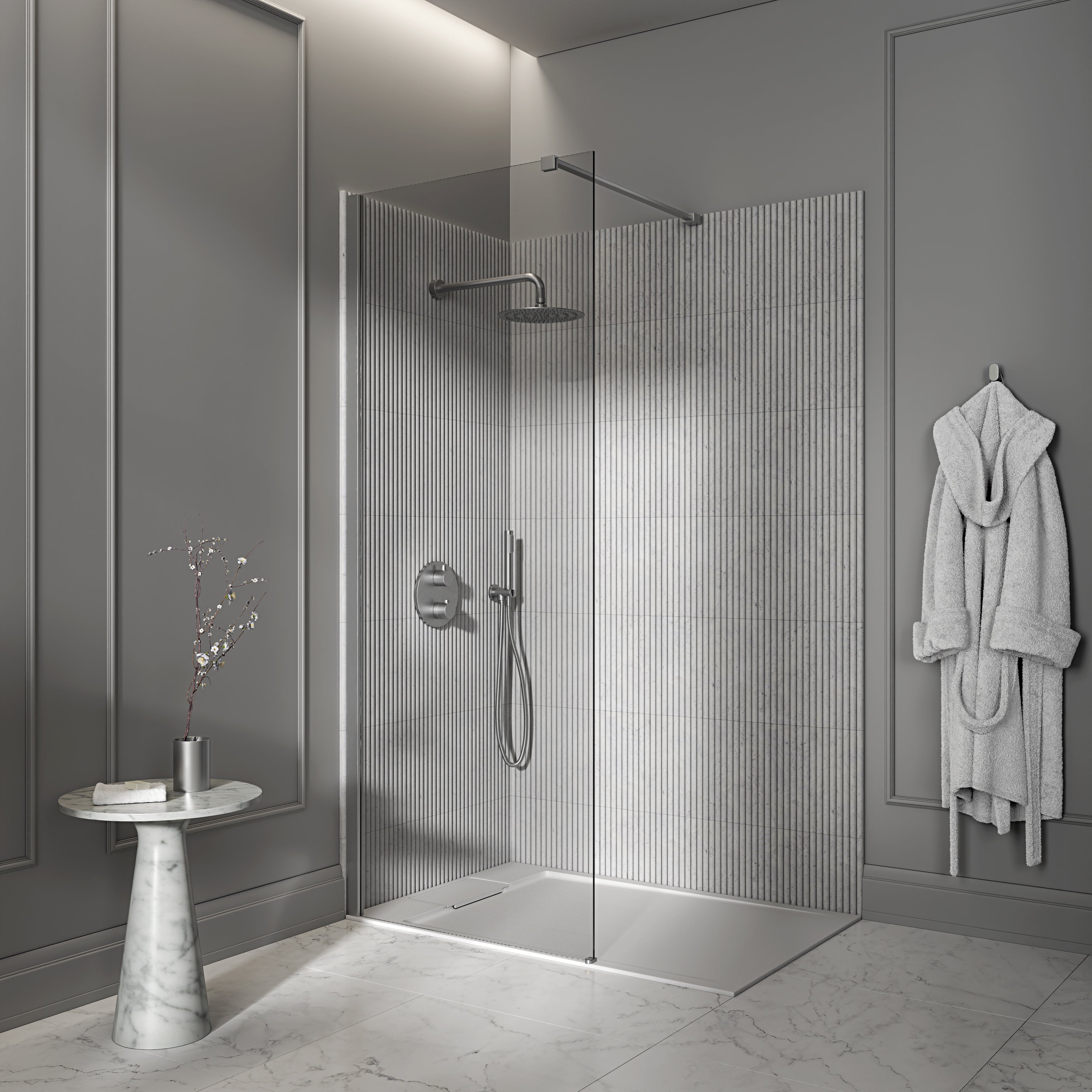
In a larger bathroom, there is often no need to choose between a bath and a shower. Including both allows the room to support different routines and creates a more luxurious overall feel. A walk-in shower (such as the Avant) brings convenience and clean architectural lines, while a freestanding bath introduces softness and a sense of retreat. Together, they allow the room to feel versatile and considered, balancing practicality with indulgence.
Bringing Warmth to a Spacious Room
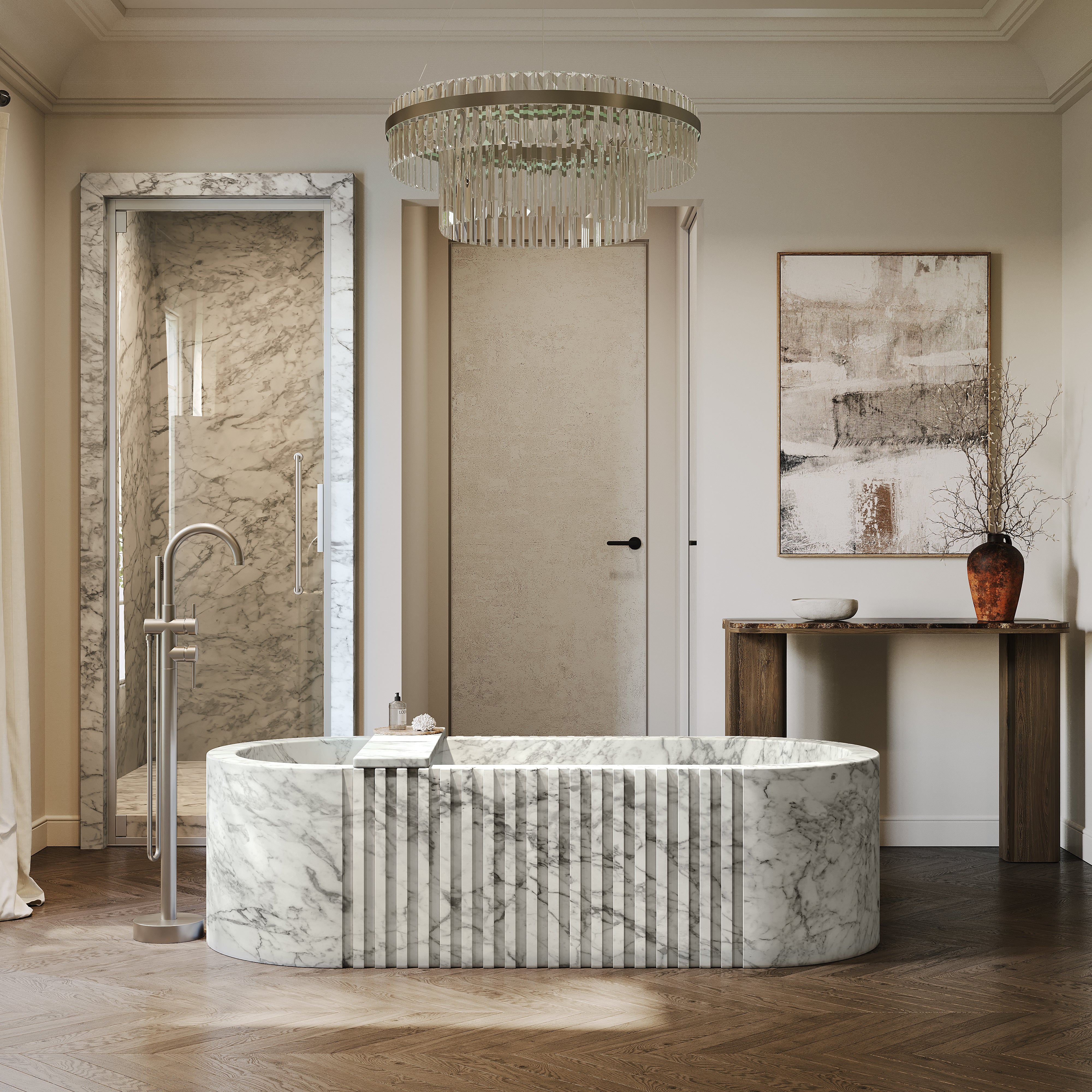
Larger bathrooms can sometimes feel stark if they are not softened with warmth and texture. A layered palette of warm neutrals, soft stone tones and natural finishes helps create a more inviting atmosphere. While spacious rooms can carry deeper shades more comfortably than smaller ones, restraint remains important. Rather than relying on bold contrast, a tonal scheme with subtle depth often feels more timeless and refined.
Using Materials to Define the Space
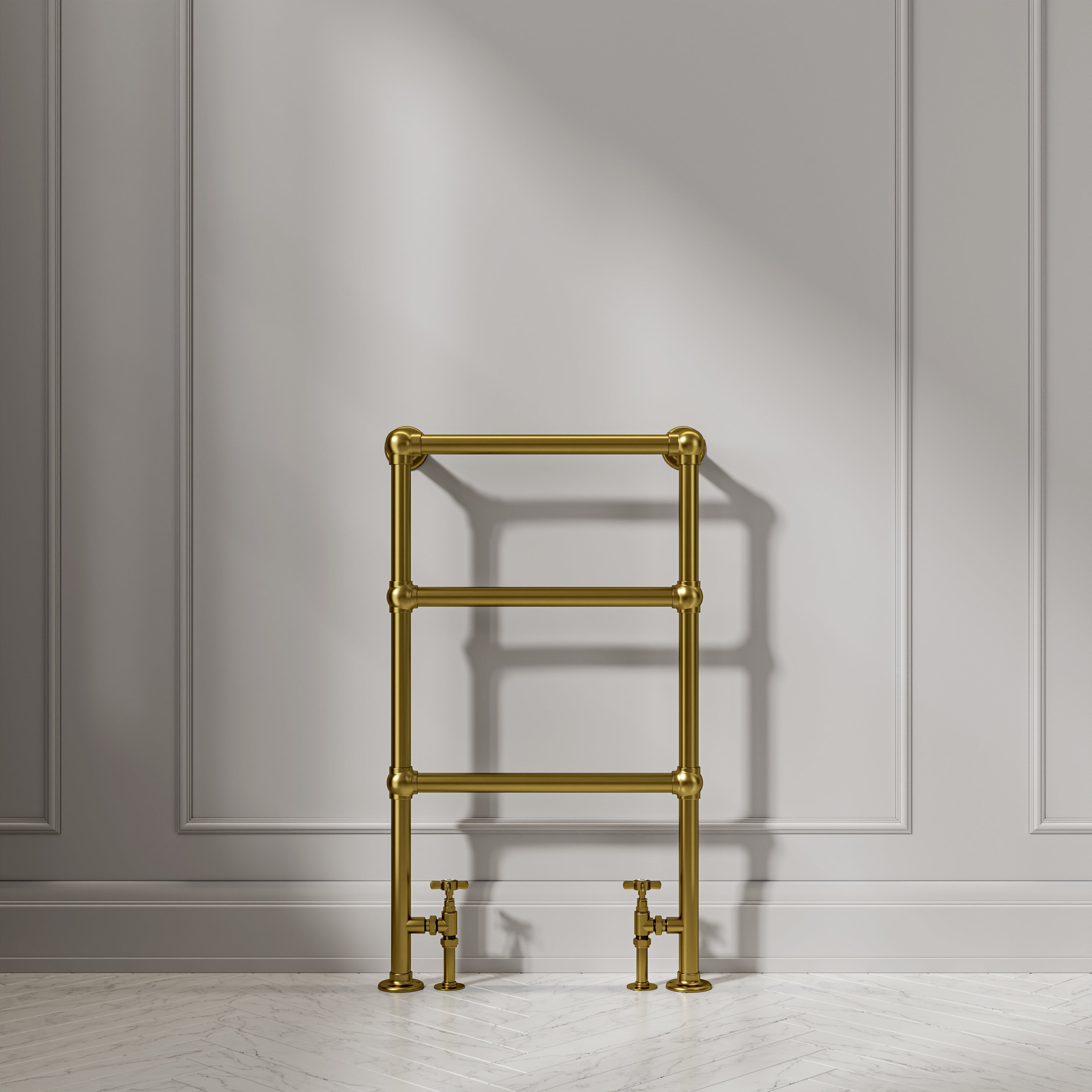
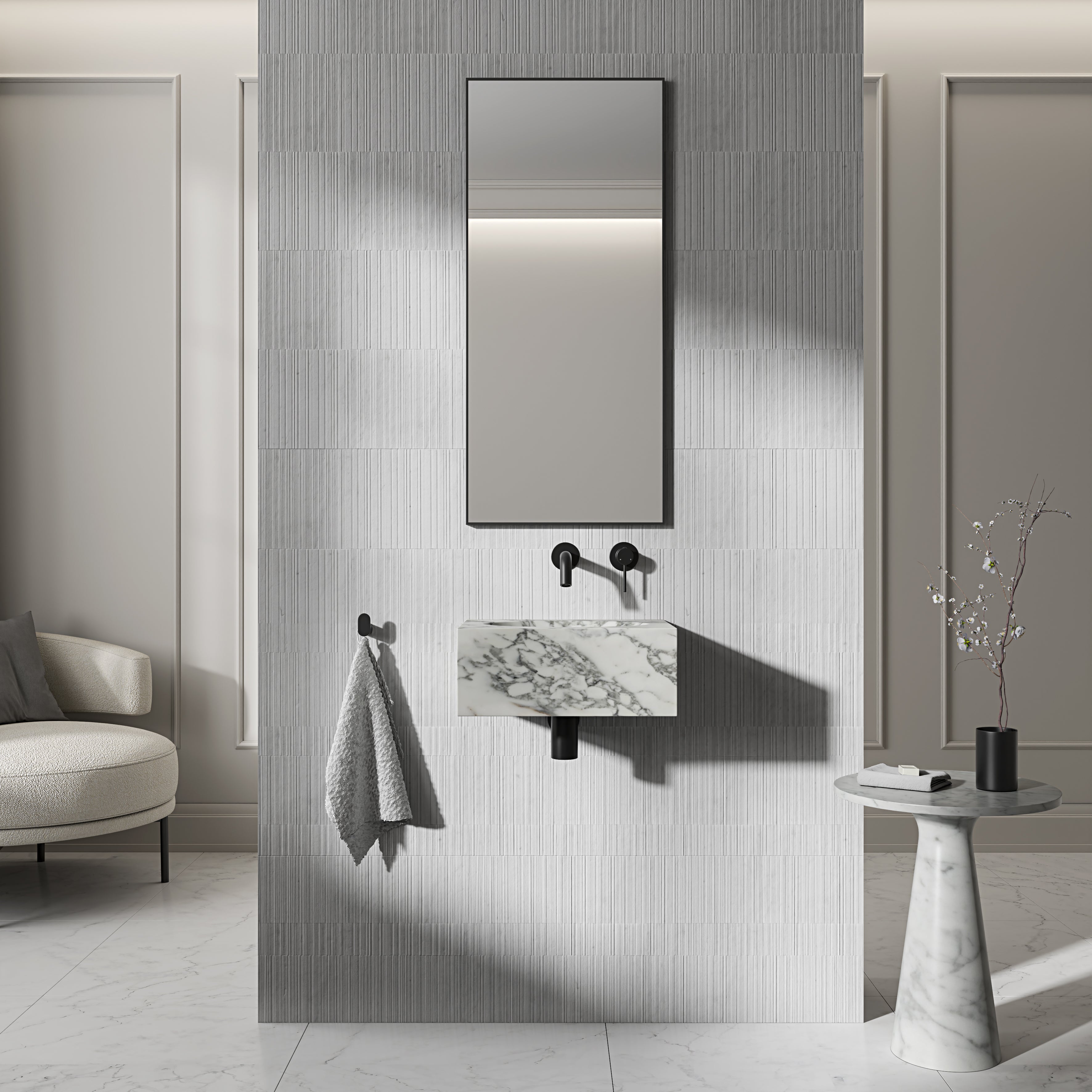
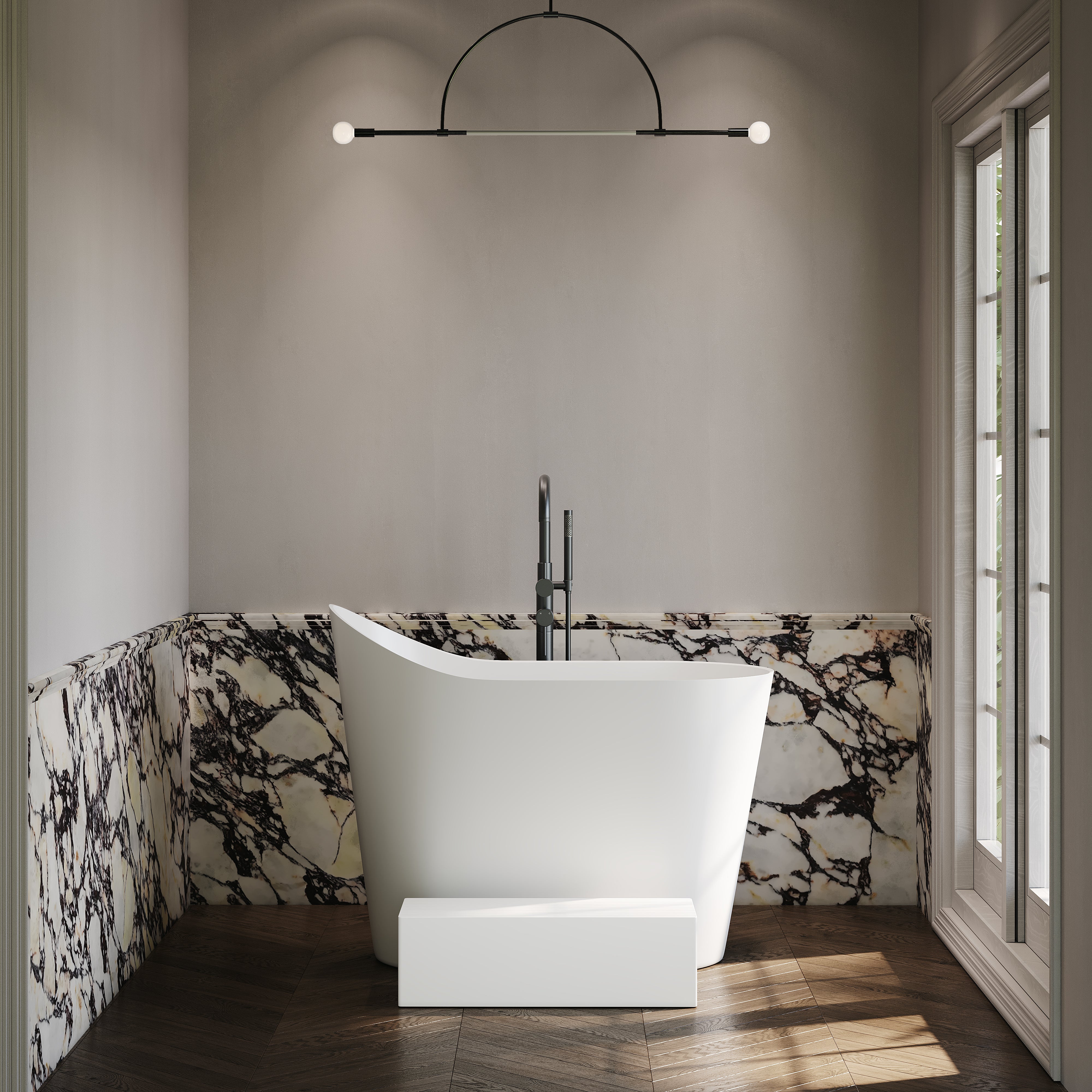
Material choice plays a powerful role in larger bathrooms, where surfaces naturally have greater visual impact. Natural stone, marble, wood and refined metal finishes can be used to create depth, texture and a stronger sense of character. Repeating these materials across different elements of the room helps maintain cohesion, while varying where and how they are used can help define individual zones. Stone or tile around the bathing area, for example, might be balanced with warmer finishes around furniture or seating to give the space a more layered feel.
Lighting That Shapes the Room
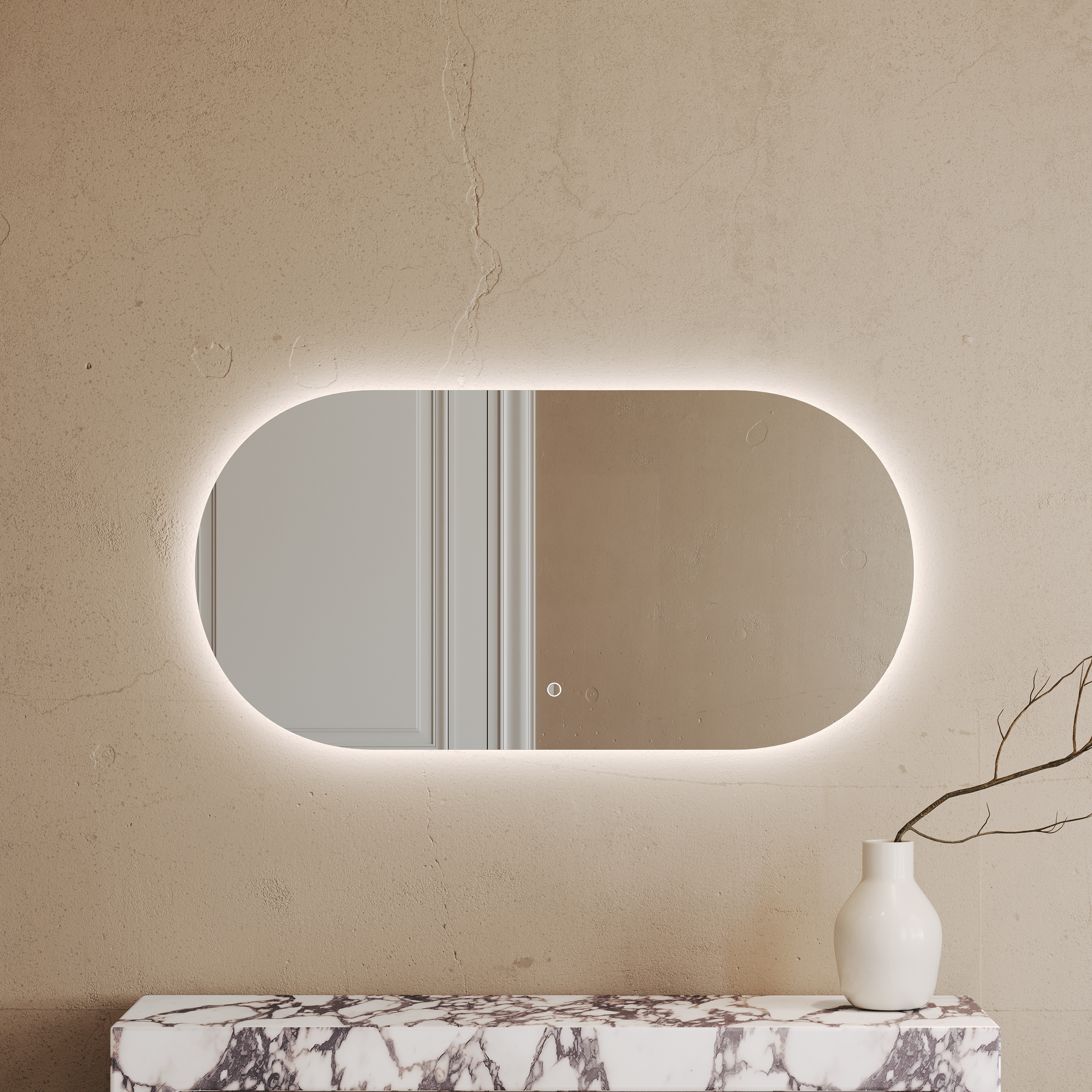
Lighting is essential in a large bathroom, where one central fitting is rarely enough. A layered approach allows the room to feel both functional and atmospheric. Bright, practical lighting around the vanity supports everyday tasks, while softer ambient lighting around the bath or in alcoves creates a more restful mood. LED mirror lighting can also be used to balance functionality and aesthetics. In larger bathrooms, light should do more than illuminate, it should help shape the room.
Statement Features That Add Presence
A larger bathroom often benefits from one or two standout elements that draw the eye and give the scheme identity. This could be an impressive marble bath positioned as a focal point, an oversized mirror, a beautifully detailed vanity or a striking wall finish. Statement pieces help prevent the room from feeling underdressed, but they work best when balanced with quieter details around them. The overall effect should feel composed rather than over-styled.

Storage That Keeps the Space Calm
Storage remains just as important in a larger bathroom as it does in a smaller one. Generous cabinetry, fitted furniture or a well-designed vanity unit can help keep surfaces clear and preserve the sense of calm. In a spacious room, clutter can feel just as disruptive as overcrowding in a compact one. Keeping toiletries and everyday items neatly stored allows the scale, materials and layout of the room to speak for themselves.
The Role of Detail in Larger Bathroom Styling
Larger spaces allow for more layering, but detail still needs to be handled with restraint. Thoughtfully chosen mirrors, textiles, accessories and decorative accents can soften the room and make it feel more personal. Plants, candles, stools or a carefully placed chair can all bring warmth and character, particularly in bathrooms with natural light. The key is to avoid filling every corner.
Need help?
Frequently Asked Questions
A large bathroom should be planned around how the room will be used. Creating zones for bathing, showering, washing and storage helps the space feel balanced and practical. The aim is to make the room feel cohesive rather than leaving large empty areas without purpose.
Warm tones, layered lighting, natural materials and well-placed furniture all help a large bathroom feel more inviting. Zoning the room and introducing texture through wood, marble, textiles or accessories can also soften the scale of the space.
Where space allows, including both can create a more luxurious and versatile room. A shower adds convenience for everyday use, while a bath introduces a more relaxing element and often becomes a focal point within the design.
Larger bathrooms can accommodate a wider range of basin styles, from generous single vanities to double basins. The right choice depends on how the room is used, but scale is important, the basin should feel in proportion with the rest of the space.
Yes. Larger bathrooms can carry deeper shades particularly well, as they help bring intimacy and atmosphere to the room. Darker tones are often most effective when balanced with softer neutrals, warm materials and good lighting.
Introduce structure through layout, use furniture and sanitaryware with the right scale, and include focal points that give the room presence. Layered lighting, repeated materials and thoughtful accessories will also help make the room feel complete.
Yes. Good storage keeps surfaces clear and helps preserve the calm, refined feel of the room. Larger bathrooms often benefit from fitted cabinetry, generous vanity units or furniture that provides practical storage without disrupting the design.
Luxury comes from thoughtful design rather than size alone. A well-zoned layout, quality materials, statement pieces, layered lighting and a calm, uncluttered finish all contribute to a bathroom that feels elegant and indulgent.