






Radiator Buying Guide
Warmth is one of the quiet luxuries of a well-designed home. At Haddon, we believe radiators should do more than heat a room, they should elevate it. From refined finishes to thoughtful proportions, a well-chosen radiator becomes part of the atmosphere, shaping how a space feels as much as how it functions. This guide walks you through the essentials, helping you choose a radiator that brings comfort, beauty, and effortless performance to every room.
Understanding Radiators
Radiators may seem simple, but there’s a lot happening behind the scenes. At their core, all radiators are designed to distribute heat efficiently throughout your home, yet the way they achieve this varies depending on the type and construction.
Most homes in the UK use central heating radiators, which circulate hot water from a boiler or heat pump. Increasingly popular alternatives include electric radiators, which operate independently from the heating system, and dual-fuel radiators, which combine both technologies for year-round flexibility, especially useful in bathrooms where a single towel rail may need warming without heating the entire home.
Panel radiators
Slim, clean-lined, and suited to everyday spaces.
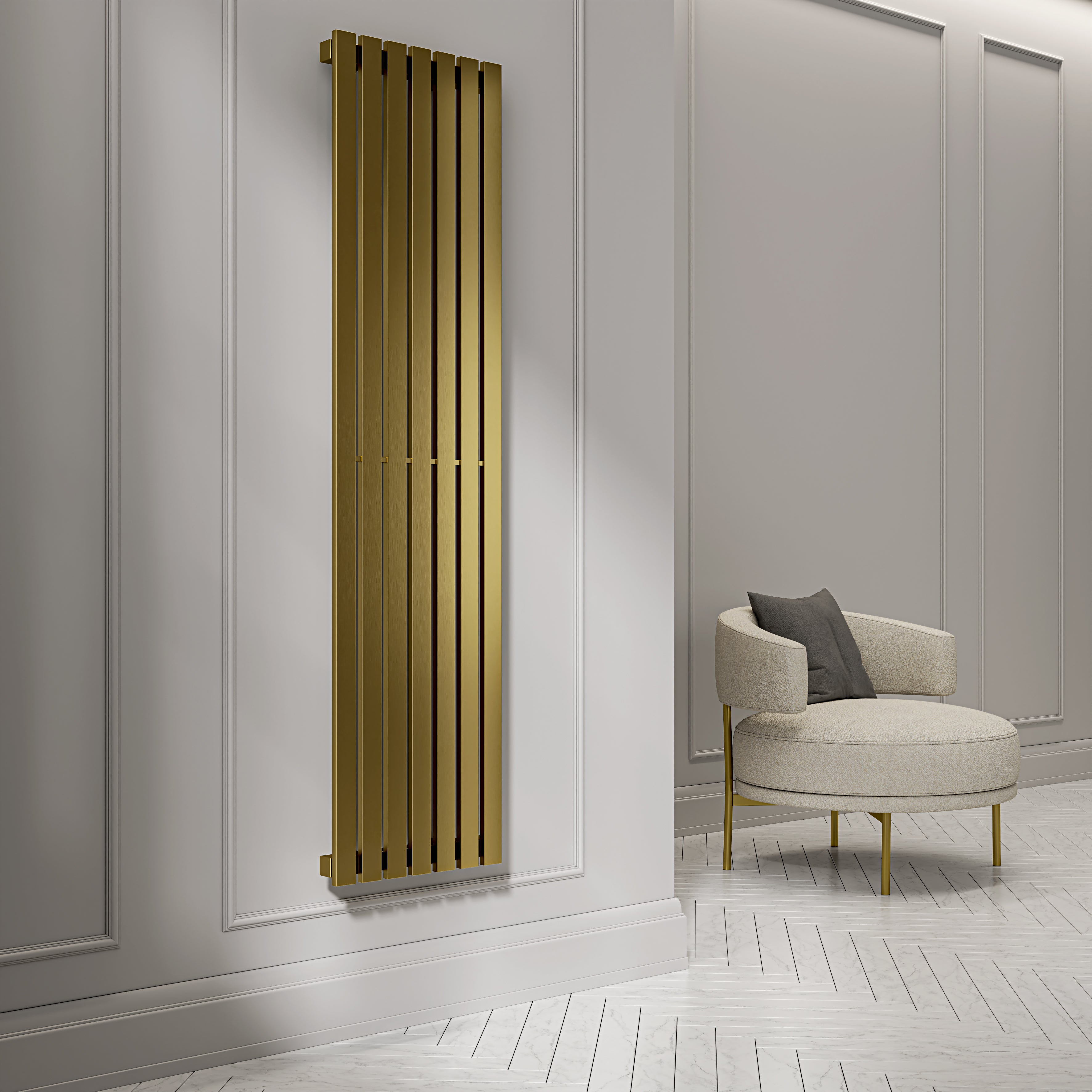
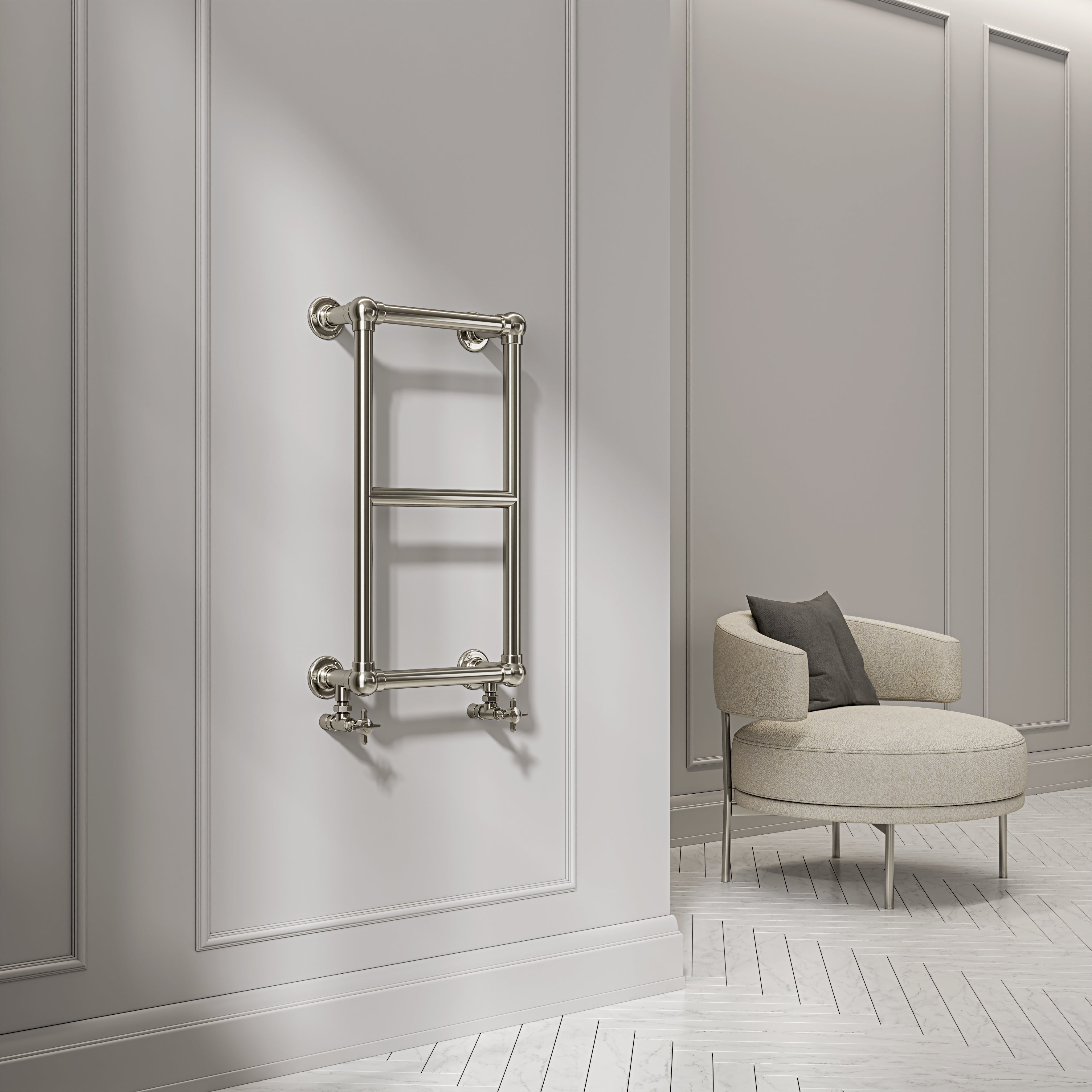
Designer radiators
Striking silhouettes that double as architectural features.
Column radiators
Echo classic cast-iron forms but with more efficient heat output.
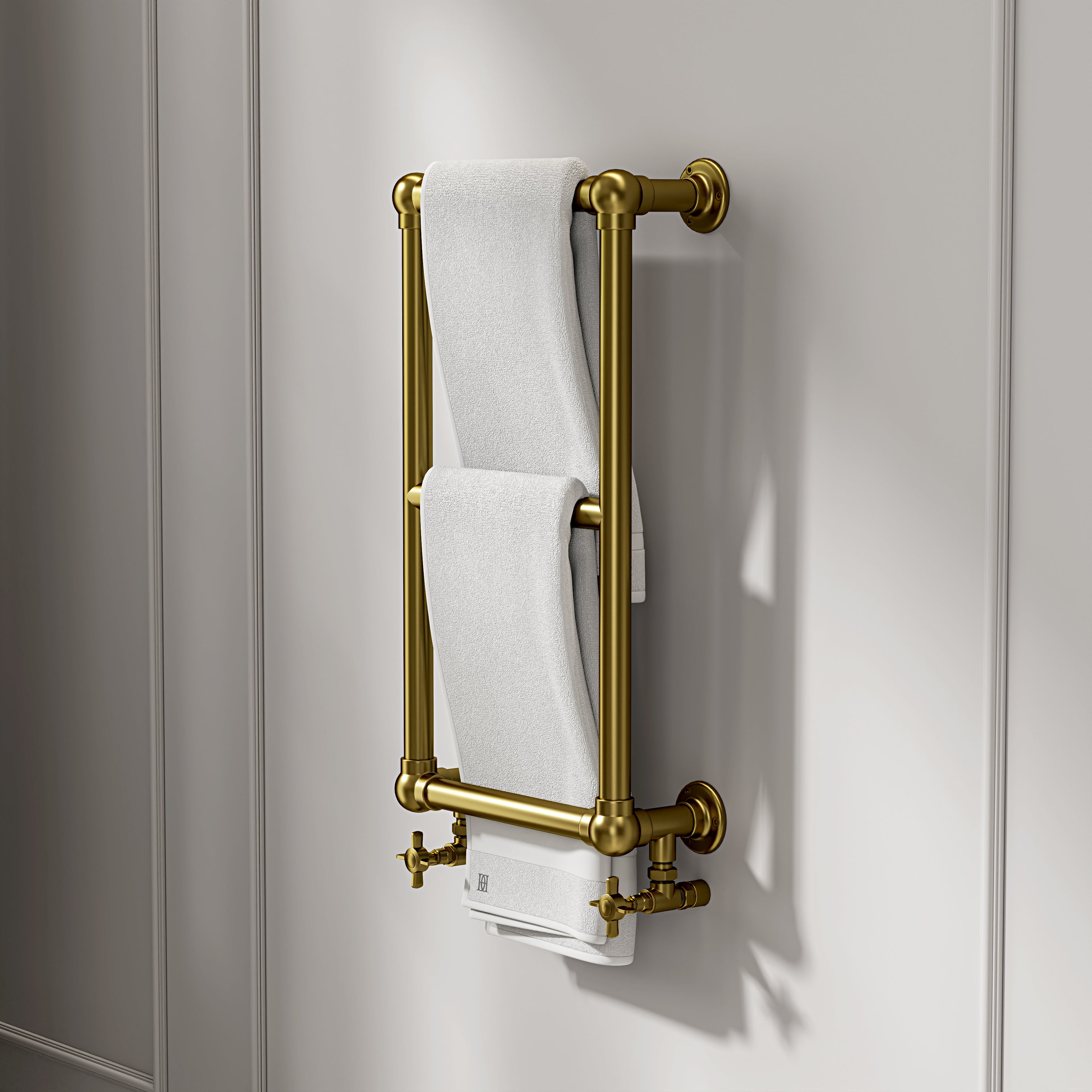
Vertical radiators
Ideal for rooms short on wall space.
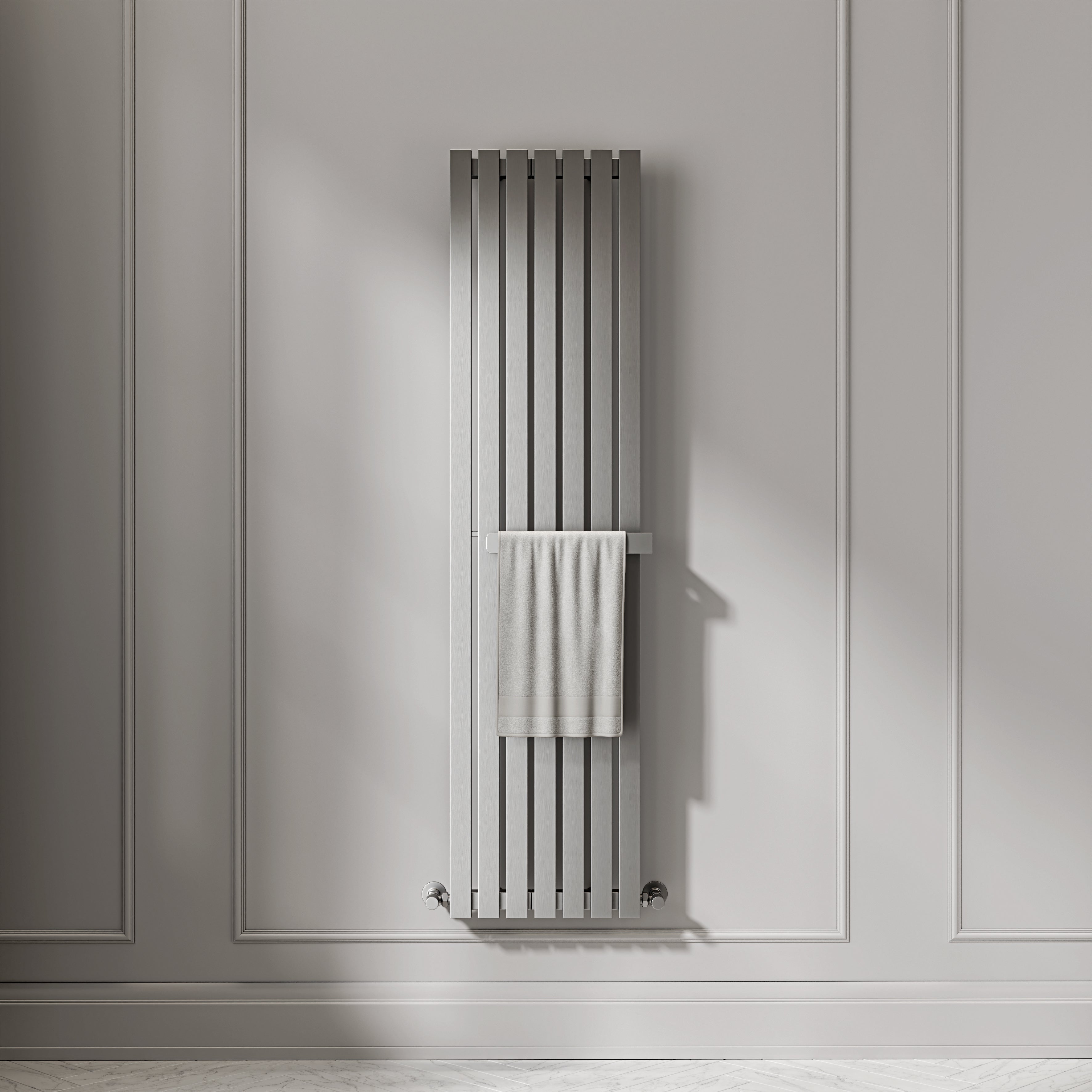
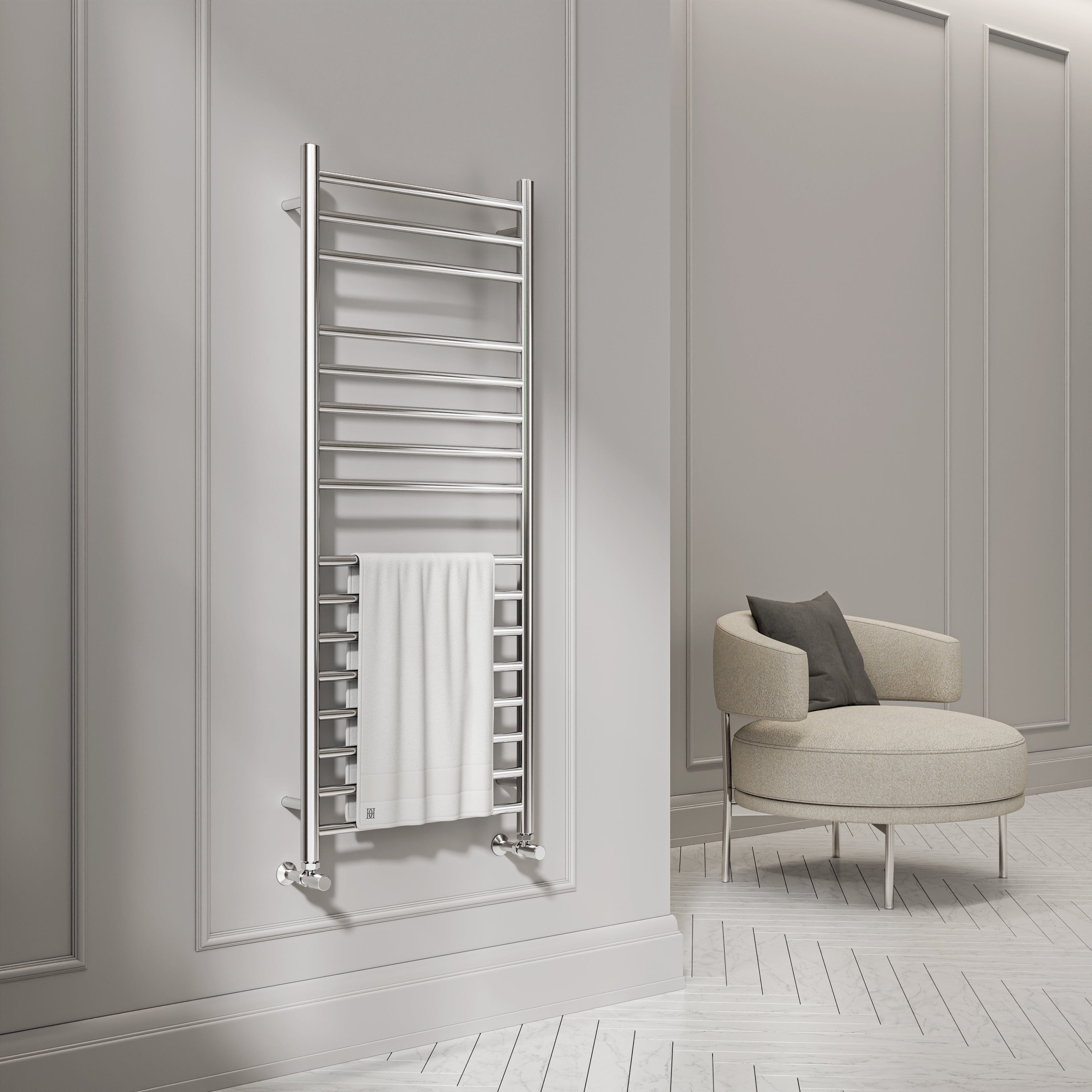
Towel radiators
Essential for bathrooms and ensuites, offering both warmth and comfort.
Understanding Your Heating Needs
Choosing the right radiator begins with knowing what your space actually requires. Every room has different heating demands, shaped by:
- Room size and ceiling height
- Number of external walls
- Insulation quality
- Size and type of windows and doors
- Location of your existing electrical or water supply
Larger rooms naturally need more heating power, often achieved through either a wider radiator or multiple units. Smaller rooms may only require a compact radiator or towel warmer.
Finding the Radiator to Suit Your Space
Every room has its own atmosphere, and the radiator you choose should feel as though it naturally belongs there.
Bathrooms
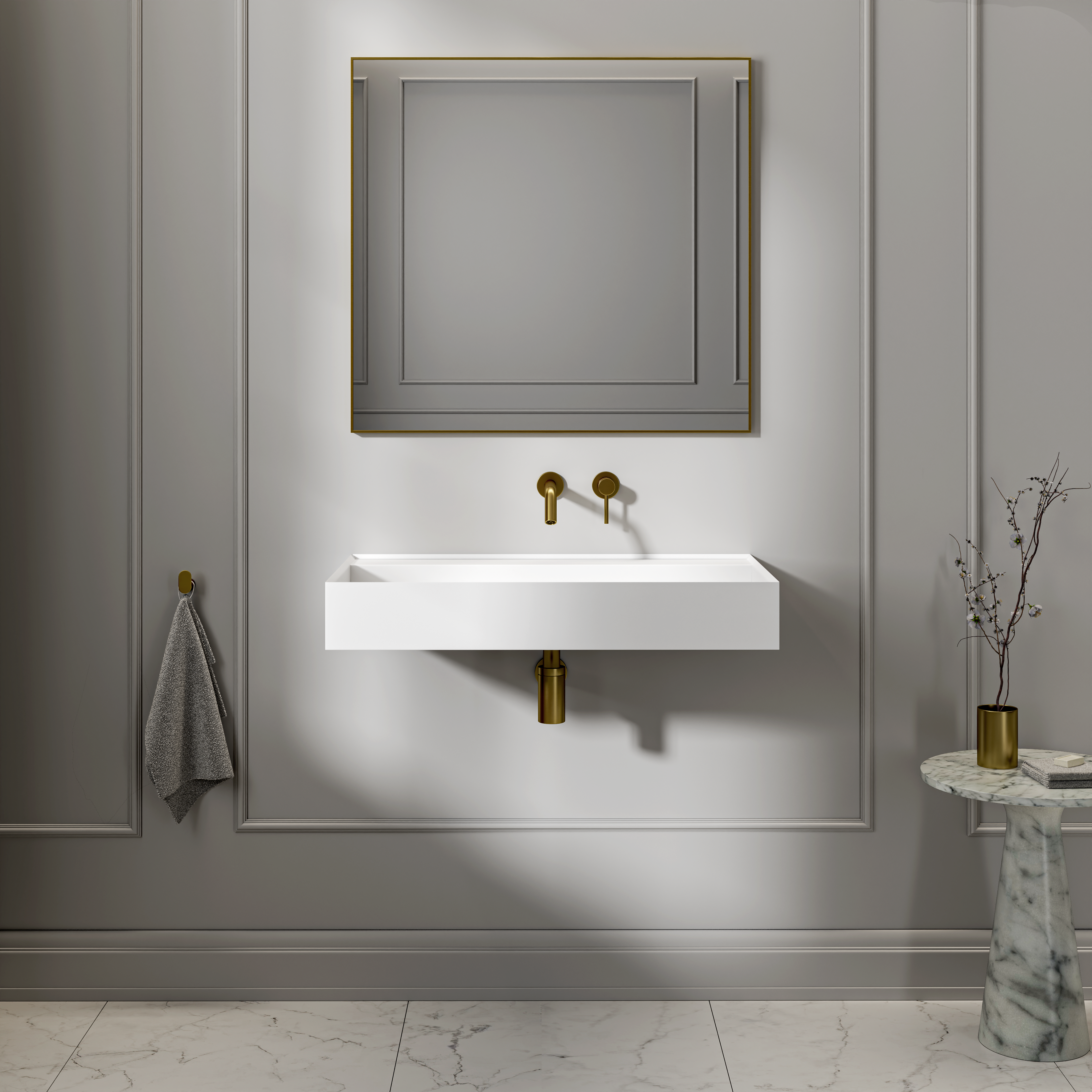
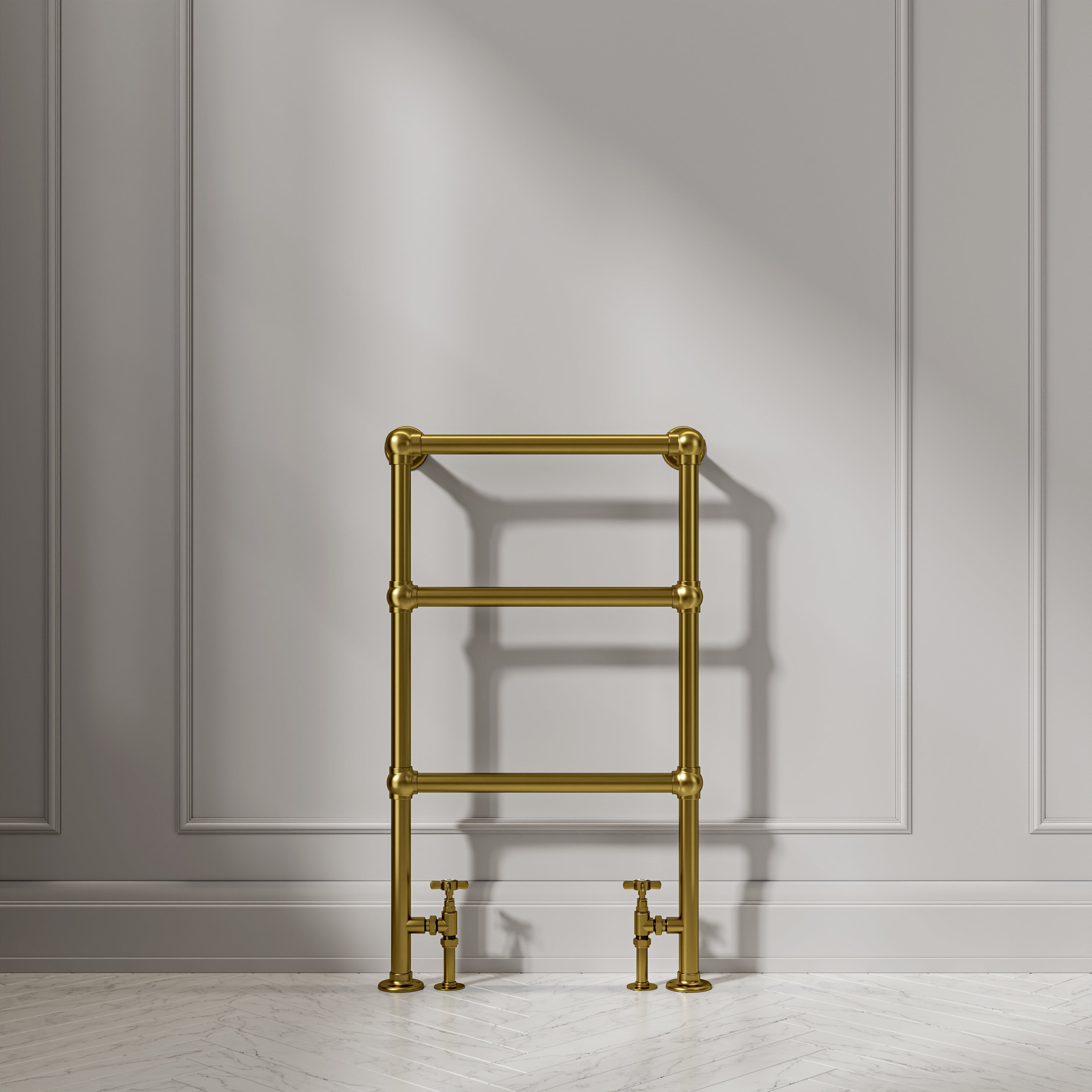
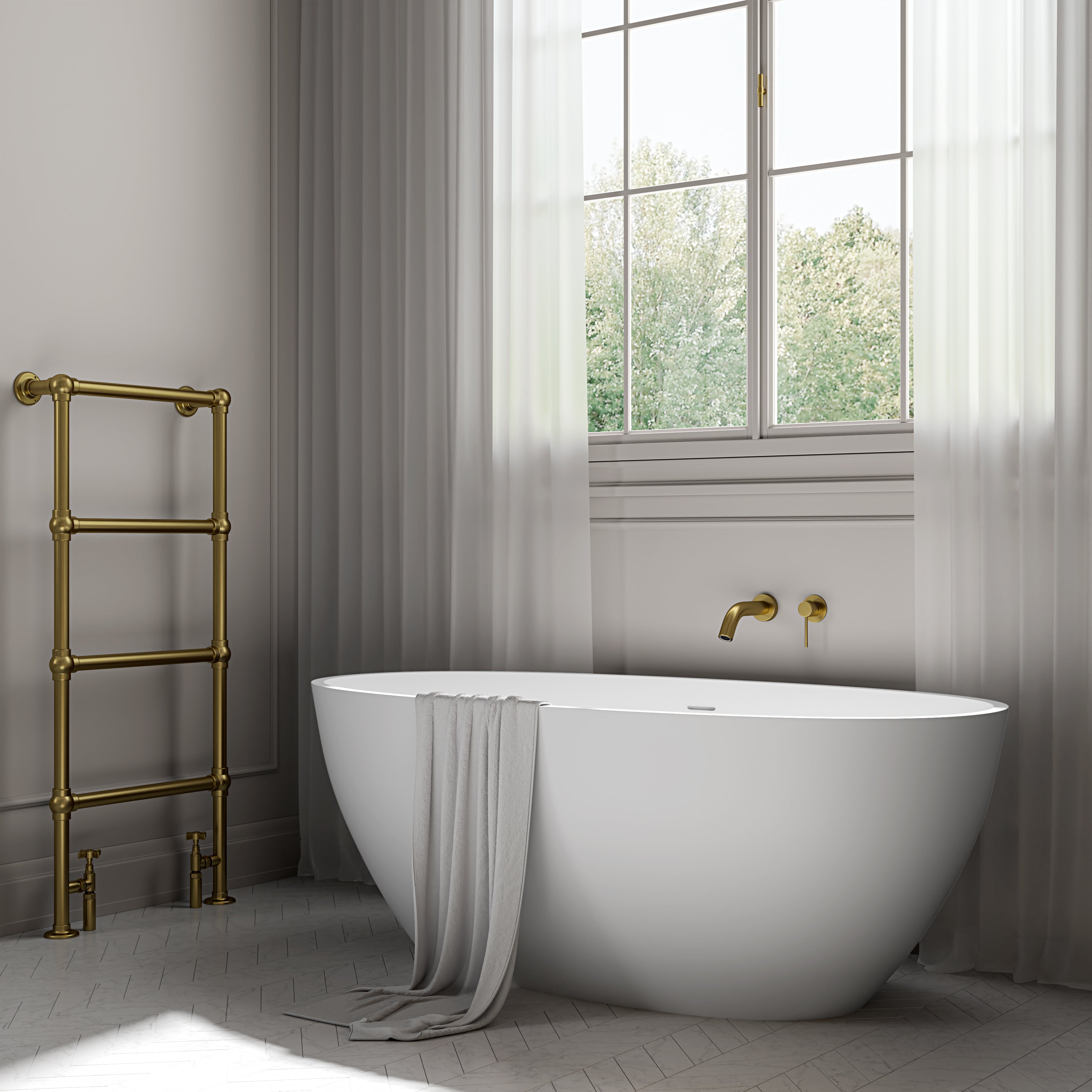
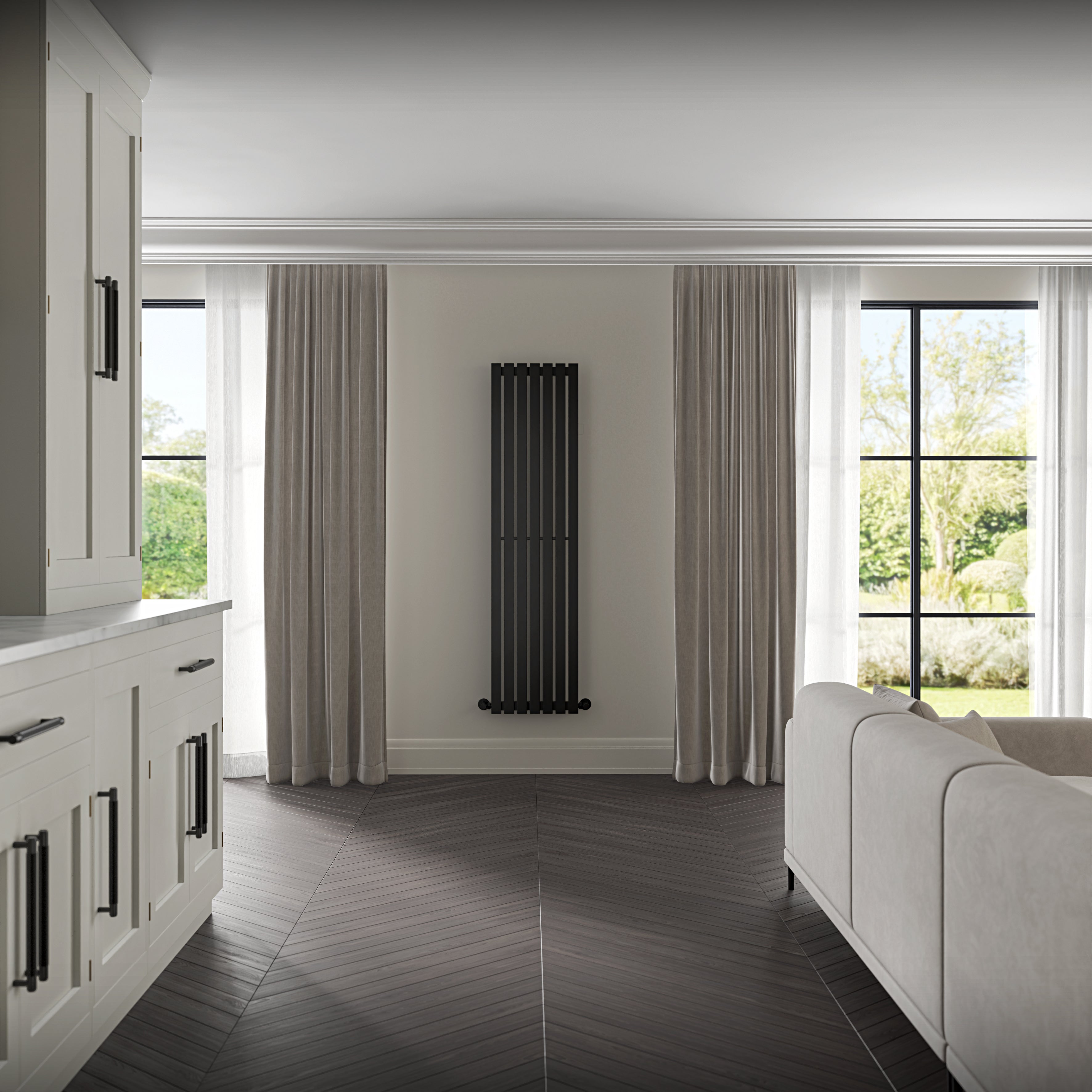
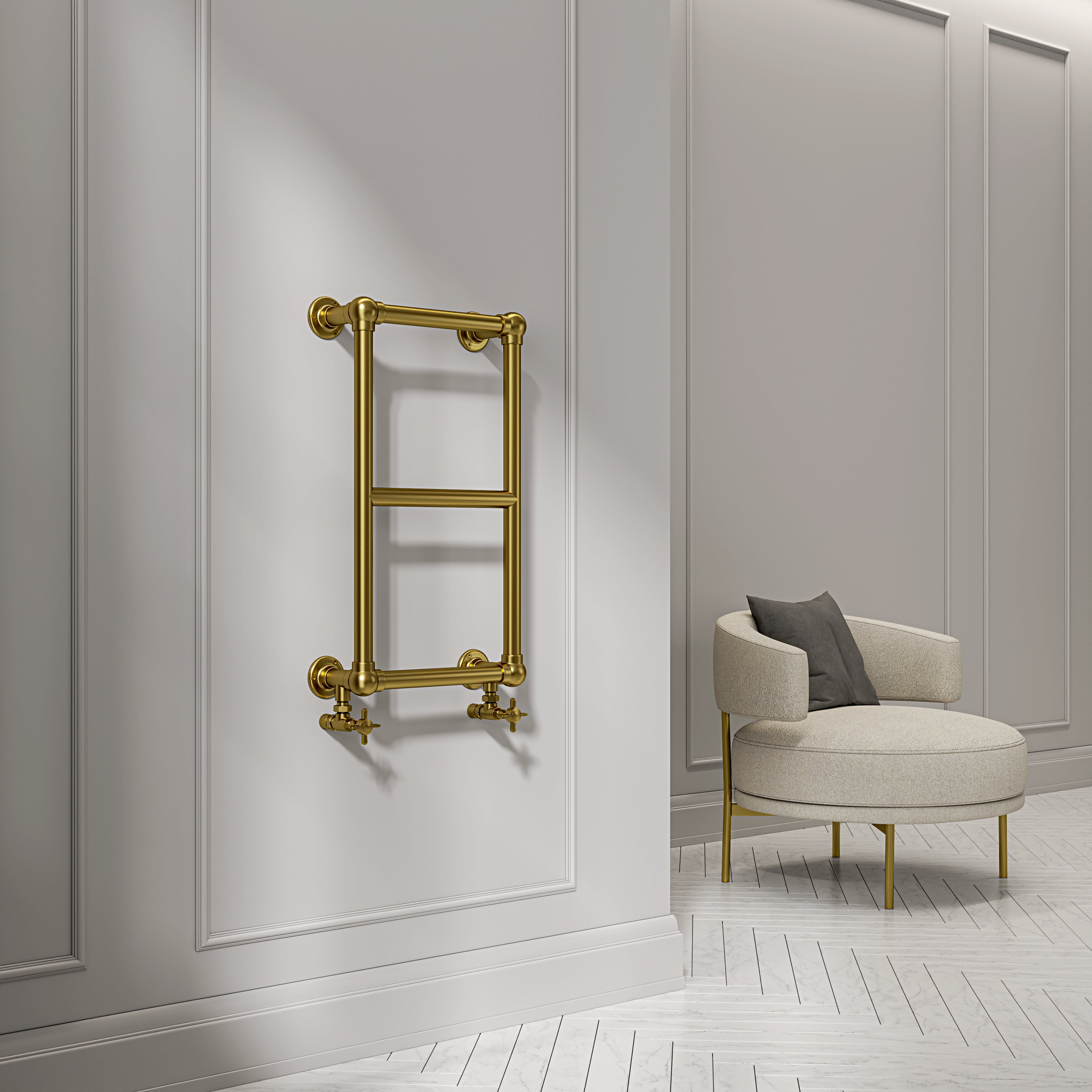
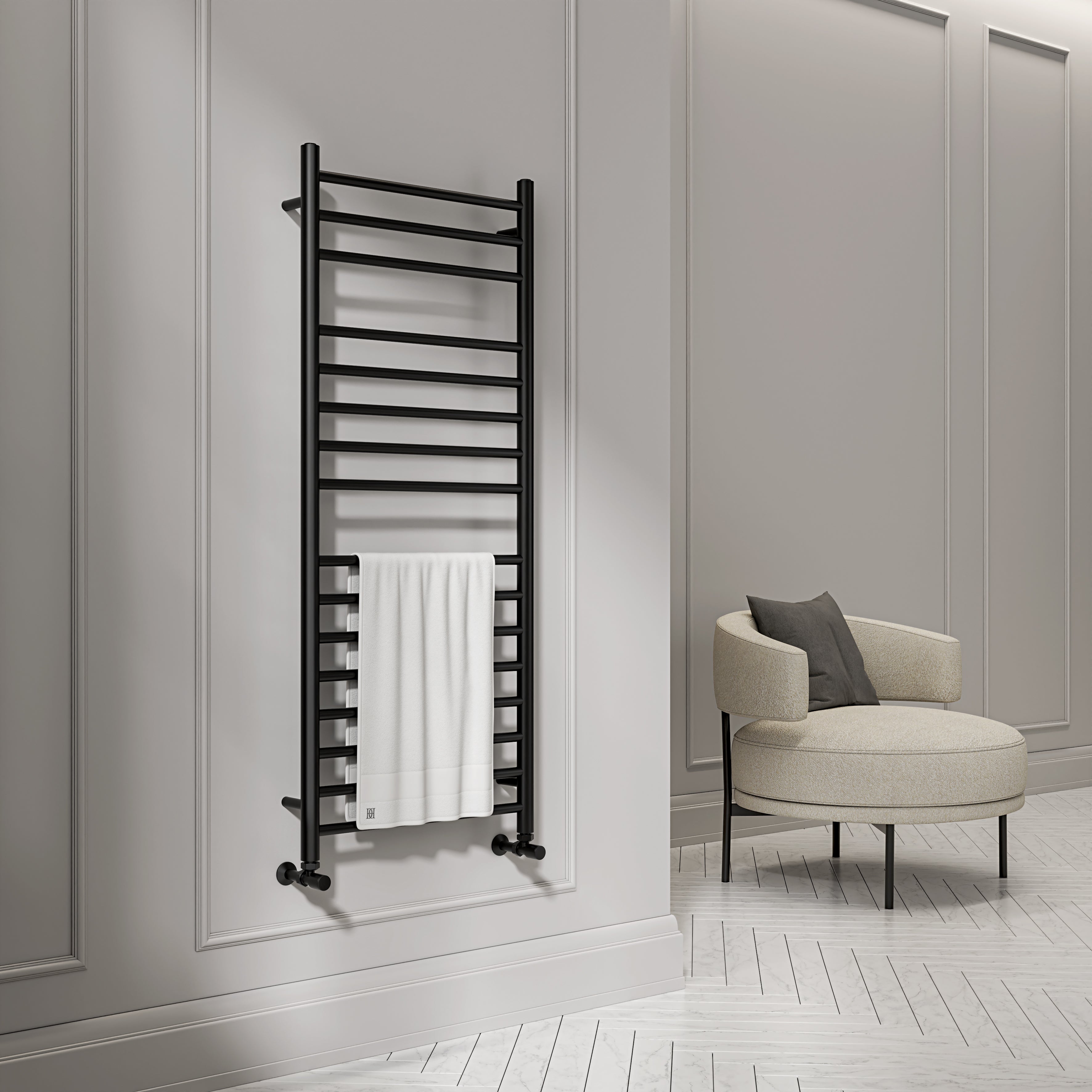
In bathrooms, comfort is at its most intimate. Heated towel warmers bring a quiet sense of luxury, keeping towels warm while adding a considered layer of visual structure. Finishes such as brushed gold or polished nickel introduce a soft, elegant glow (as seen in our Arlington range), whilst matte black offers a crisp, modern accent. Where space is limited, a vertical design fits effortlessly into smaller footprints without overwhelming the room. See our Cecina Designer Radiator as an example.
Kitchens
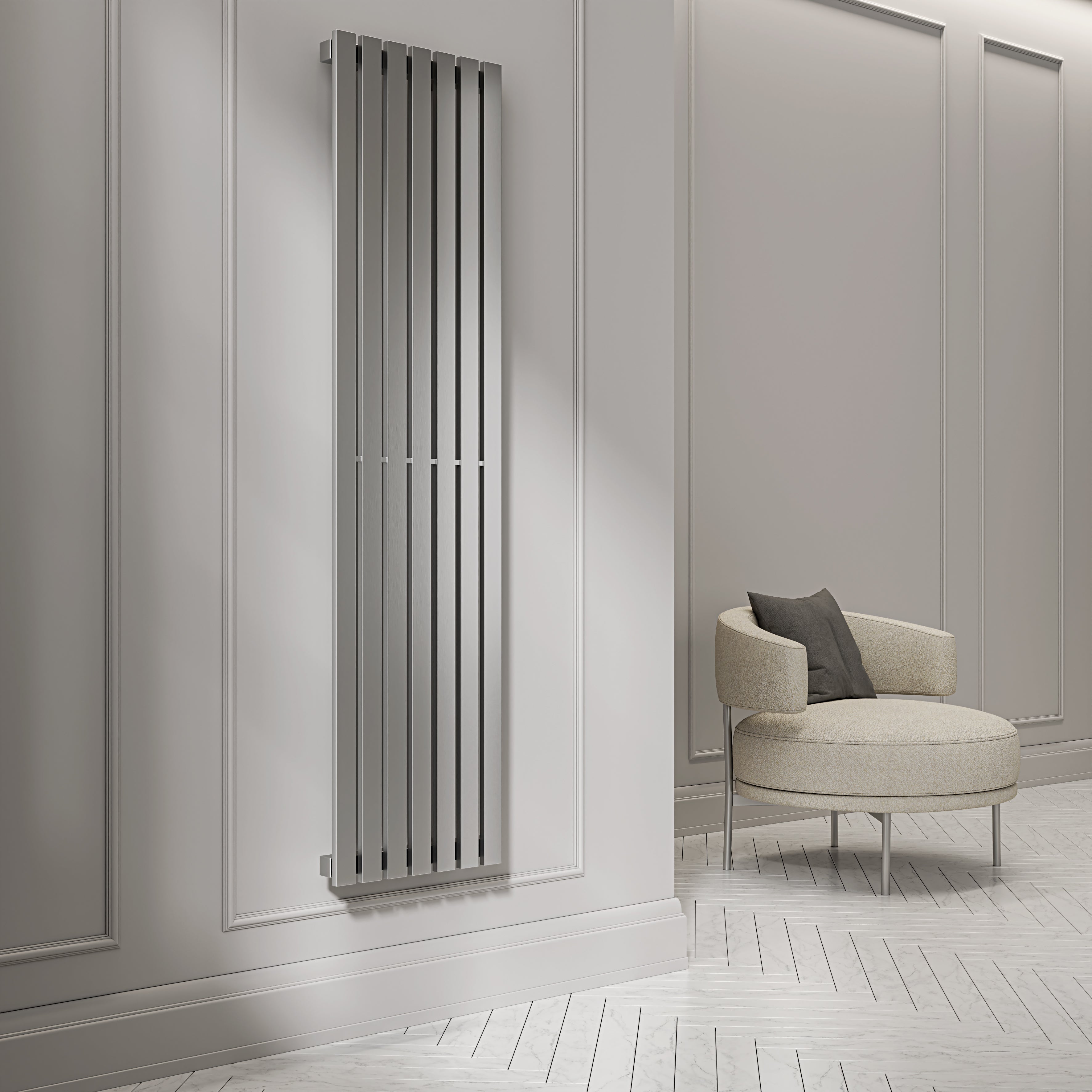
Kitchens often ask for clever design choices. Tall, slim radiators make the most of narrow gaps between cabinets or appliances, creating a refined vertical line that feels intentional rather than incidental. Pairing finishes with taps, handles, or lighting brings a sense of cohesion to the space, allowing the radiator to settle in seamlessly. View our kitchen taps here.
Living Rooms & Bedrooms
In larger living spaces, radiators take on a more expressive role. A designer radiator such as our Elias range in a warm finish can act as a subtle focal point, grounding the room and adding depth to the palette.
Hallways & Smaller Spaces
Circulation areas often benefit from radiators with a slimmer silhouette. Our vertical designs offer warmth without intruding into the walkway, allowing these transitional spaces to feel thoughtfully finished. Even a narrow hallway can become a considered design moment with the right radiator in place.
Placement Considerations
A few practical details help ensure your chosen radiator not only looks right but performs beautifully. Solid walls provide more flexibility for installation, while plasterboard walls may require fixing to studs. Existing pipework can guide whether you replace like-for-like or adjust the layout. Wherever possible, position radiators where heat can move freely through the room, rather than behind larger pieces of furniture.
Caring for Your Radiator
Radiators are low-maintenance, but a little care keeps them performing at their best for many years:
- Bleed radiators annually to remove trapped air and ensure even heating.
- Service your heating system once a year, especially boilers connected to plumbed radiators.
- Use a central heating inhibitor to reduce corrosion and prevent sludge build-up.
- Consider a power flush every 5–6 years to maintain system efficiency.
Finish-specific care:
- Black radiators: avoid abrasive cleaners; use gentle, non-bleach solutions.
- Brushed gold radiators: wipe regularly with a soft cloth to maintain sheen.
- Brushed stainless radiators: use microfibre cloths to remove fingerprints and keep the finish bright.
- Polished nickel radiators: these can be kept bright and clear with a soft microfibre cloth and mild soapy water, avoiding harsh or abrasive cleaners that may dull the finish.
- Chrome radiators: stay pristine with a soft cloth or warm soapy water, while abrasive or harsh limescale cleaners should be avoided to maintain their polished shine.
Radiators vs Heated Towel Warmers
While both radiate heat, they serve slightly different purposes.
Radiators
Designed to heat the room first and foremost. They’re the main source of warmth in living spaces, bedrooms, kitchens and larger bathrooms.
Heated Towel Warmers
Optimised for warming towels and providing gentle ambient heat, perfect for ensuites or smaller bathrooms. Larger rooms may require both a towel warmer and a primary radiator for balanced, consistent comfort.
Need help?
Frequently Asked Questions
This depends on room size and layout. Larger rooms may benefit from two radiators to distribute heat evenly. To figure out your heat requirement, you first need to determine the required heat output for the entire room, measured in BTUs (British Thermal Units) or Watts, and then select a radiator (or radiators) with an equal or slightly higher output. See here for a step by step guide.
Bathrooms often work best with a towel warmer; however, bigger bathrooms may require both a radiator for heat and a towel rail for comfort.
Yes, but pipe positions may need adjusting. If pipes run along the wall, changes are easier. If they come through the floor, alterations may take longer.
Haddon radiators are crafted from premium mild steel, chosen for superior longevity, stability, and heat performance. To give you even more confidence all of our radiators come with a 10 year guarantee.
British Thermal Units (BTU)
Calculating the heat requirement for a radiator involves determining the total British Thermal Units (BTU) or Watts needed to offset heat loss and maintain a comfortable temperature.
Measure the dimensions of the room in meters or feet.
- Formula: Length × Width × Height = Volume.
Example: A room 4m long, 5m wide, and 2.4m high has a volume of 48m³.
Multiply the cubic volume by a factor based on the room type to reach a "standard" target temperature (typically 18°C–21°C):
- Lounges and Dining Rooms: Multiply volume (m³) by 135 (higher heat for comfort).
- Bedrooms: Multiply volume (m³) by 108 (requires less heat).
- Common Areas/Kitchens: Multiply volume (m³) by 100.
Bathrooms: Multiply volume (m³) by 150 (requires higher humidity management and warmth).
Modify your result based on the specific features of your room:
- Windows: Add 10% for each standard window and 20% for French doors.
- Glazing: If you have single-glazed windows, add 15%; if double-glazed, you may deduct 10%.
- Orientation: Add 10–15% for North-facing rooms or rooms with multiple external walls.
Insulation: Add 15–25% for poor insulation or high ceilings (above 2.4m).
Match your calculated BTU/Watts to the radiator's output rating.
- Delta T 50 (ΔT50): The UK standard for most gas boilers. It assumes the water in the radiator is 50°C hotter than the room.
- Safety Margin: Experts recommend selecting a radiator with an output 10–15% higher than your calculation to ensure it can heat the room on the coldest days.
Multiple Radiators: If the total BTU requirement is high (e.g., >8,000 BTU), consider using two smaller radiators instead of one large one for more even heat distribution.